Keep your device in portrait orientation for the best user experience.
Pierre Jeanneret (1896–1967) was a Swiss architect and designer and a key figure in the development of modern architecture and furniture design. A cousin and close collaborator of Le Corbusier, Jeanneret played a crucial role in many of the most important projects of the modern movement, contributing both conceptually and practically to architecture, urban planning, and furniture.
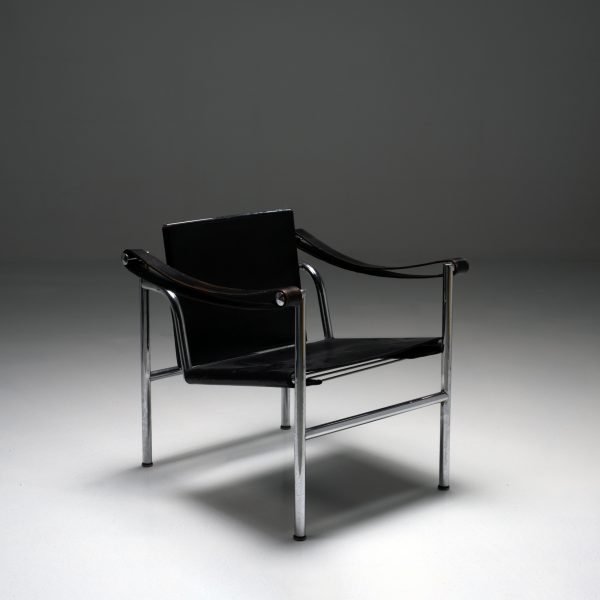
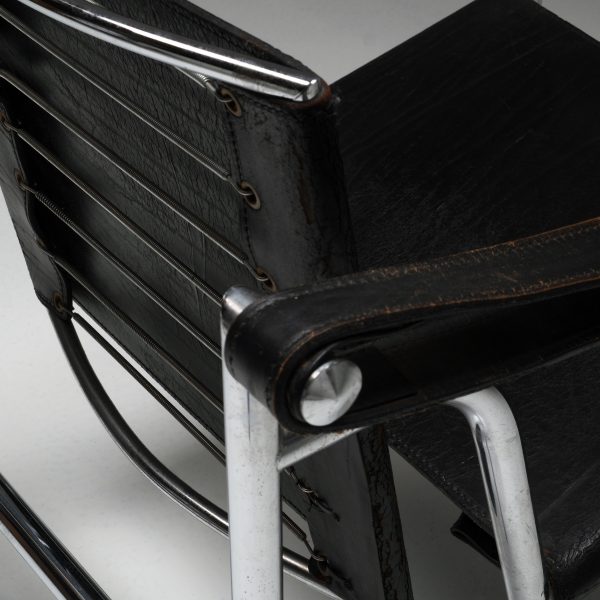
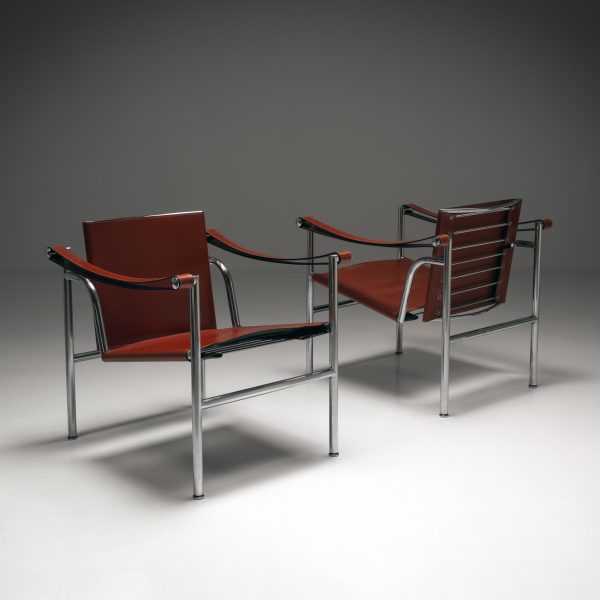
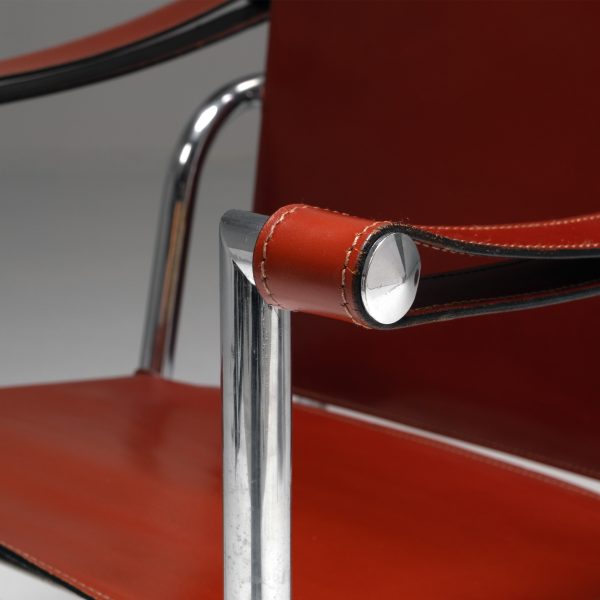
Jeanneret worked closely with Le Corbusier and Charlotte Perriand on iconic modern furniture designs, including the LC2 and LC3 armchairs, the LC4 Chaise Longue, and various tables and storage pieces that became central to modernist interiors. His contributions were essential in translating architectural ideas into functional, industrially produced furniture with clear structure and strong material logic.
Later in his career, Pierre Jeanneret developed a more independent body of work, particularly during his long involvement in the planning and construction of Chandigarh, India, where he served as chief architect. There, he designed a wide range of teak and cane furniture for public buildings and private homes, including the Capitol Complex chairs, Office Armchairs, Easy Chairs, and Library Chairs, characterized by their robust construction, angled wooden frames, and woven cane seats.
Pierre Jeanneret’s work is distinguished by its balance between rational modernism and human warmth. His furniture and architecture demonstrate a deep sensitivity to materials, climate, and use, securing his legacy as a vital contributor to modern design and as an influential designer in his own right.