
Keep your device in portrait orientation for the best user experience.
Le Corbusier (1887–1965), born Charles-Édouard Jeanneret-Gris, was a Swiss-French architect, designer, urban planner, and theorist who became one of the most influential figures of 20th-century modernism. His work fundamentally reshaped ideas about architecture, furniture, and the modern city. Guided by a belief in rationality, standardization, and the social responsibility of design, Le Corbusier sought to create environments suited to modern life through clarity of form and industrial production.
In architecture, he developed a powerful and recognizable language based on his famous “Five Points of Architecture”—pilotis, free plan, free façade, horizontal windows, and roof gardens. These principles are exemplified in key works such as Villa Savoye in Poissy, the Unité d’Habitation in Marseille, the sculptural Notre Dame du Haut in Ronchamp, and the large-scale urban plan for Chandigarh, India. His buildings range from strict functionalism to expressive, monumental forms, reflecting the evolution of his thinking over time.
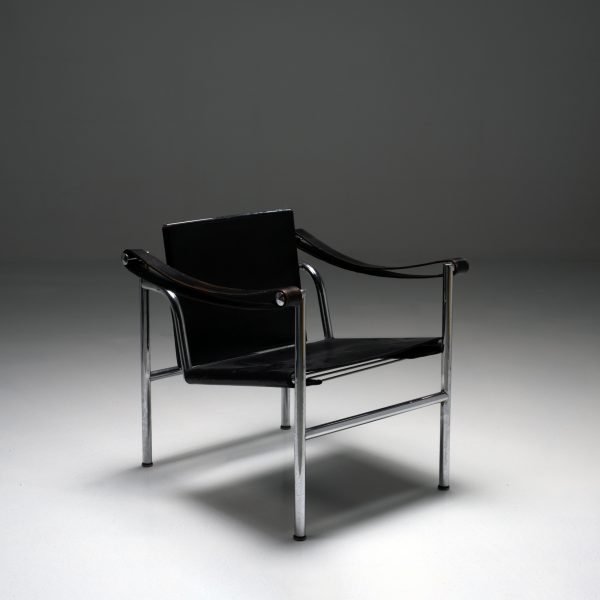
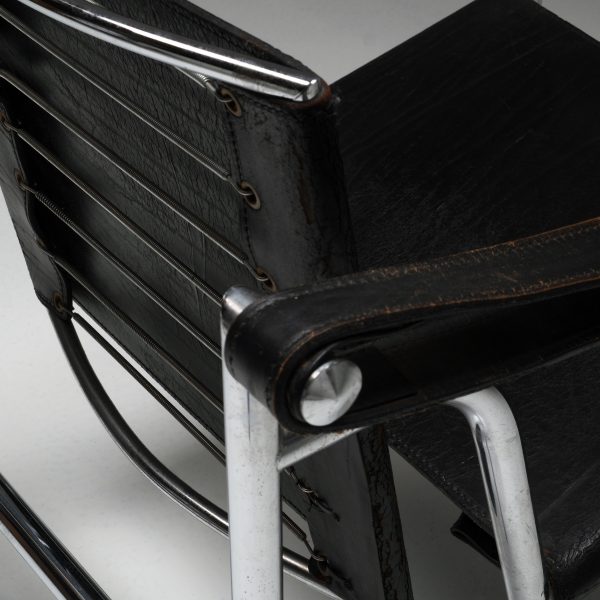
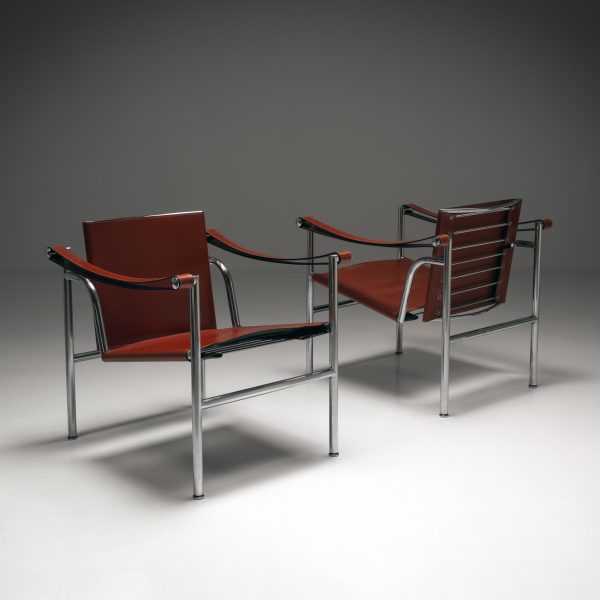
Alongside his architectural work, Le Corbusier made a lasting contribution to furniture design, often in collaboration with Pierre Jeanneret and Charlotte Perriand. Together they created some of the most iconic pieces of modern furniture, including the LC4 Chaise Longue, the LC2 and LC3 armchairs, and the Grand Confort series. These designs introduced a radical visual language based on exposed tubular steel frames, modular construction, and an emphasis on comfort and function, aligning furniture with the aesthetics of modern architecture.
Le Corbusier was also a prolific writer and theorist, authoring influential texts such as Vers une architecture, which helped define the intellectual foundation of modern design. His legacy lies not only in his iconic buildings and furniture but also in his enduring influence on how designers think about space, form, technology, and the role of design in shaping society.